Work coordination platform
Designed for the automotive industry
As a leader in innovation, you understand the importance of staying ahead of the curve in the fast-moving automotive 4.0 world. KanBo provides you with the tools to do just that by facilitating smart factory operations, streamlining project management, fostering collaboration and solving complex problems.
Boost Efficiency and Collaboration: A Guide to Document Management for Exterior Performance CAE Engineer III
Introduction:
In today’s fast-moving world, where businesses are constantly aiming to stay ahead of the competition, having a work coordination platform that caters to all the requirements of large enterprises is crucial. KanBo is one such platform that has been designed to synchronize teams, departments, and external stakeholders, enabling businesses to achieve their objectives on time and with precision. This article provides a brief overview of KanBo’s features and benefits in the automotive industry, with a specific focus on its document management capabilities.
Feature Benefits:
KanBo offers several features that set it apart from other work coordination platforms. Its seamless integration with other enterprise applications and data sources ensures that all the relevant information is available in one place. This feature eliminates the need for manual data entry, which saves time and reduces the likelihood of errors. Moreover, the platform’s powerful analytics tools enable businesses to identify trends and opportunities for improvement, which can lead to increased efficiency and productivity.
Document Management in Automotive:
For Exterior Performance CAE Engineer III in Auto Development Center, Frame Business Unit in the automotive industry, document management is a critical aspect of their work. KanBo makes document management easy by providing a centralized repository for all documentation related to the development and validation of vehicle chassis, components, exterior, and interior, including meeting model performance, safety, reliability, profitability, and manufacturing requirements. With the platform’s document management tools, CAE engineers can collaborate on documents in real-time, track changes, and version control. Teams can also easily find and access the latest versions of documents, ensuring that everyone is working with the same information.
Short Product Tour:
KanBo’s user-friendly interface provides easy navigation and access to all its features. With a customizable dashboard, users can design a workspace that caters to their needs and preferences. The platform’s task management features enable teams to assign tasks, track progress, and receive notifications for upcoming deadlines. Furthermore, KanBo provides a visual task board that displays all the tasks assigned to a particular user or team, making it easy to prioritize tasks and manage workloads. The platform also offers a calendar feature that allows users to schedule events, meetings, and deadlines.
Conclusion:
KanBo is a work coordination platform designed for large enterprises and is particularly beneficial for Exterior Performance CAE Engineer III in Auto Development Center, Frame Business Unit in the automotive industry. Its document management capabilities make it easy for CAE engineers to collaborate on critical documents and ensure that everyone is working with the latest version. KanBo’s user-friendly interface, customizable dashboard, task management features, and calendar make it easy for teams to coordinate and manage their workloads efficiently. With KanBo, businesses can achieve their objectives on time and with precision, ultimately leading to increased efficiency, productivity, and success.
As an Exterior Performance CAE Engineer III in the automotive industry, your role is vital in ensuring the safety and performance of vehicles. Your work is fast-paced and demands organization and collaboration with team members. Combining the use of KanBo work coordination platform and document management can help you effectively manage your tasks and meet deadlines. Here is a one-week guide on how to use KanBo and document management for successful project completion:
Monday:
Start your week by creating a new board on KanBo. Name it after your project and invite team members to join.
Tuesday:
Create a card for each task on the project, assigning a team member and attaching relevant documents to each card using document folders.
Wednesday:
Schedule each task as needed, and use document versioning to keep track of changes and updates.
Thursday:
Make sure to update and check off completed tasks. Use the Kanban view to track progress and deadlines.
Friday:
End your week with a dashboard and report review. Look at your team’s progress and make necessary adjustments to timelines and tasks.
By using KanBo and document management, you can streamline your workday and improve collaboration with team members. Keep track of documents and tasks easily using the platform and ensure project success.
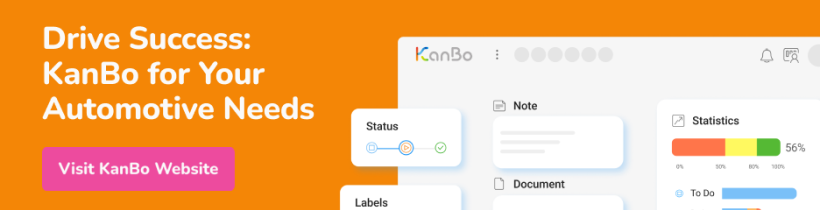
While KanBo boasts impressive document management capabilities, it is much more than just a tool for managing documents. KanBo is specifically designed to bring teams together, no matter the size or complexity of the project. The platform’s inherent flexibility and scalability make it an incredibly powerful tool for any work management task.
KanBo’s various features, such as assigning people to cards, scheduling tasks, card templates, and card relations, are just a few examples of how the platform can help manage projects and tasks. With KanBo’s visual tools, like Kanban boards, calendars, and Gantt charts, team members can get a clear overview of tasks and deadlines, enabling them to prioritize, plan, and execute work efficiently.
Moreover, KanBo is designed to foster collaboration and communication, empowering teams to work together seamlessly. Through @mentions, comments, and activity streams, members can keep each other updated on progress, provide feedback, and discuss ideas in an organized manner. In addition, the platform integrates with other tools, such as Outlook, SharePoint, and Teams, to ensure seamless collaboration across the organization.
In short, KanBo is a powerful and versatile platform that goes beyond document management. With its focus on work coordination, collaboration, and communication, it enables teams to achieve their goals efficiently and effectively.
Q&A
Q1. What benefits does KanBo offer for businesses?
A1: KanBo offers seamless integration with other enterprise applications and data sources, providing access to all relevant information in one place. It also has powerful analytics tools that help identify trends and opportunities for improvement, thereby increasing efficiency and productivity.
Q2. How does KanBo facilitate document management in the automotive industry?
A2: For Exterior Performance CAE Engineer III in Auto Development Center, Frame Business Unit in the automotive industry, KanBo provides a centralized repository for all documentation related to vehicle development and validation. It enables real-time collaboration on documents, version control, and tracking changes. Teams can easily find and access the latest versions of documents, ensuring that everyone is working with the same information.
Q3. How can KanBo help teams in the automotive industry better manage their workloads?
A3: KanBo offers a task management feature that allows teams to assign tasks, track progress, and receive notifications for upcoming deadlines. The platform also provides a visual task board that displays all the tasks assigned to a particular user or team, making it easy to prioritize tasks and manage workloads. Additionally, KanBo has a calendar feature that lets users schedule events, meetings, and deadlines.
Use Case: Using KanBo to Manage Automotive Projects
Let’s take a look at how KanBo can be used to manage a project in the automotive industry. Imagine a team of engineers working on a new vehicle model. They need to collaborate on various documents, track progress, and coordinate tasks to meet deadlines. With KanBo, they can easily achieve these goals.
The project manager creates a new board in KanBo and adds members to the team. They create columns for different stages of the project, such as design, analysis, testing, and manufacturing. Within each column, they create cards for individual tasks, such as creating a 3D CAD model, performing a CAE analysis, or running wind tunnel tests.
The engineers can now add documents to each card, such as the CAD model for review or the test results for analysis. They can use Microsoft Office skills to edit the documents directly in KanBo, without the need for additional software. With KanBo’s document management features, they can version control, track changes, and ensure that everyone is working with the latest document.
The team can collaborate on tasks using KanBo’s comments and @mentions, keeping each other updated on progress. They can use KanBo’s task management features to assign tasks, track progress, and set deadlines. The platform’s visualization tools, such as the Kanban board and Gantt chart, provide an overview of the project status and help the team prioritize and manage their workloads.
When the CAE analysis is complete, the team can create a concise technical presentation using KanBo’s document management and presentation tools. They can store the presentation in the card and share it with the rest of the team for review.
Throughout the project, the team can use KanBo to proactively seek ways to improve their work and act as a project lead for research activities in implementing new technology and methods. With KanBo’s analytics tools, they can identify trends and opportunities for improvement, leading to increased efficiency and productivity.
Conclusion
KanBo is a powerful tool for managing projects in the automotive industry. With its document management features, task management tools, and collaboration capabilities, it enables teams to work together seamlessly, ensuring that everyone is working with the latest information. By using KanBo, automotive businesses can streamline their operations, innovate faster, and stay ahead of the competition in the fast-moving automotive 4.0 world.