Work coordination platform
Designed for the automotive industry
As a leader in innovation, you understand the importance of staying ahead of the curve in the fast-moving automotive 4.0 world. KanBo provides you with the tools to do just that by facilitating smart factory operations, streamlining project management, fostering collaboration and solving complex problems.
Optimizing Workflow: A Look at KanBo’s Document Management and SE Team Leader Cockpit for Automotive Industry
In today’s business world, large enterprises need a platform that can help them coordinate tasks, manage projects, and collaborate with team members in a unified workspace. KanBo is such a platform. With its robust features and flexible licensing options, KanBo is designed to meet the needs of businesses of all sizes. However, its strength lies in serving large enterprises.
One of the standout features of KanBo is its support for on-premises and cloud installations. This makes it easy for businesses to choose the deployment option that best suits their specific needs and preferences. Whether it’s a large enterprise with a sprawling IT infrastructure or a small business looking to leverage the power of the cloud, KanBo has the right solution.
KanBo’s strength in large enterprises is also reflected in its focus on particular departments. For example, the SE Team Leader Cockpit, Center Console & Interior Climate System, which is specifically designed for the automotive industry. This focus on specific departments is a key feature that sets KanBo apart from other work coordination platforms. By catering to the specific needs of different departments, KanBo ensures that everyone is working in the same digital environment, reducing the chance of communication gaps and errors.
One of the benefits of KanBo is its intuitive and user-friendly interface, which makes it easy for team members to master the platform. Additionally, KanBo also offers a wide array of features to enhance collaboration and boost productivity. For example, users can create and manage tasks, upload and share files, and communicate with team members in real-time.
One of the most impressive features of KanBo is its robust Document Management system. With it, enterprises can keep all their documents and files organized and secure in a central location. This feature also makes sharing files and collaborating on documents a breeze.
In conclusion, KanBo is a work coordination platform designed for large enterprises. Its strong focus on specific departments and its support for different deployment options make it a versatile and powerful tool for any business looking to improve work coordination and productivity. Its intuitive interface and robust features, such as Document Management, make it a must-have for any modern enterprise.
In this section, you will find a step-by-step guide on how to use KanBo and its Document Management features in the Automotive industry. We will follow a SE Team Leader and their daily tasks related to the Cockpit, Center Console, and Interior Climate System.
Monday:
1. Create KanBo Workspace for your team and add all team members.
2. Create a KanBo Space for the Cockpit project and invite the relevant stakeholders.
3. Plan tasks and assign them to team members using KanBo Cards.
4. Attach relevant documents and files to the Cards using the Document Management feature.
Tuesday:
1. Use the Kanban View to track progress on each task.
2. Check Notifications and Activity Streams regularly to stay up-to-date on team progress.
3. Use the @Mentions feature to communicate with team members and keep the conversation relevant to the specific task.
4. Review and update Document Management as necessary to keep files organized and accessible.
Wednesday:
1. Use KanBo’s List View to quickly see all tasks and deadlines.
2. Schedule a meeting with the stakeholders using KanBo’s Calendar View.
3. Use the Action Items feature on Cards to track follow-up action points from the meeting.
4. Use the Document Management feature to ensure all relevant stakeholders have access to the same document versions.
Thursday:
1. Use the Gantt Chart View to visualize project timelines and dependencies.
2. Use the Timeline View to see how tasks are progressing over time.
3. Use the Document Management feature to archive outdated files and keep your document library up-to-date.
4. Update Card statuses and add Card Blockers whenever necessary to communicate project issues.
Friday:
1. Use the Activity View to see all team members’ activities.
2. Use Dashboards and Reports to generate data-driven insights.
3. Use the Follows feature to track specific Cards or Spaces.
4. Conduct end-of-week document review to ensure all documents are properly labeled and organized.
By using KanBo, SE Team Leaders can streamline their workflows, collaborate effectively, and keep track of their document library efficiently. With the Document Sources feature, they can connect multiple SharePoint Document Libraries to one board and assign different permission levels to different team members. KanBo’s robust Document Management features make it easy to find and organize documents, keeping the team on track and focused on success.
Did you know that KanBo is much more than just a tool for document management? While KanBo does excel at organizing and managing documents, it also provides an array of features that make it an all-inclusive platform for work coordination. The platform enables teams to work together seamlessly, efficiently, and intelligently, ultimately helping companies achieve their vision.
KanBo Workspaces offer a centralized location for all project-related information, and team members can access it from anywhere and at any time. With KanBo Cards, team members can assign tasks, set deadlines, and monitor progress, ensuring that projects are completed within the set time frame. The platform also facilitates communication and collaboration through the use of comments, notifications, and @mentions.
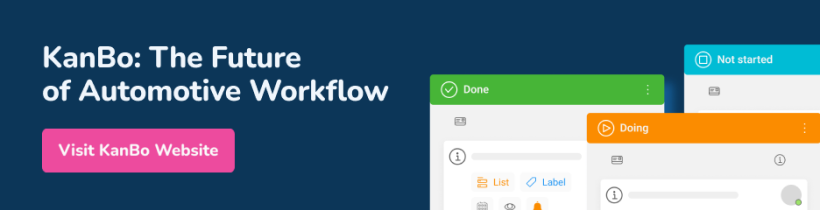
KanBo Visual Work Management provides an overview of all ongoing projects in an organization, assisting managers in setting priorities and allocating resources. The platform offers several views, including Kanban, Table (Spreadsheet), List, Timeline, Gantt Chart, and Calendar, providing a comprehensive understanding of the project’s progress.
KanBo’s dashboards and reporting allow teams to visualize performance through charts, graphs, and tables. This data assists in identifying bottlenecks, areas for improvement, and potential roadblocks, ensuring that the project stays on track.
KanBo Resource Management offers insight into available resources, ensuring that every team member is optimally utilized. The platform offers an overview of team members’ schedules, ensuring that they are not overburdened and their workload is adequately balanced.
With KanBo, an organization can synchronize all departments, processes, and stakeholders, providing a holistic view of the entire workflow. KanBo facilitates hybrid methodologies and different workstyles, fostering responsibility, autonomy, and mastery.
In conclusion, KanBo is an all-encompassing platform that empowers organizations to optimize work management with full transparency and trust. It goes beyond document management, providing a solution that integrates all aspects of work coordination. Such coordination is ultimately conducive to a more productive and fulfilling work environment, where the team feels driven by a greater purpose.
Q&A
1. Q: What makes KanBo stand out from other work coordination platforms?
A: KanBo’s focus on specific departments, such as the SE Team Leader Cockpit, Center Console & Interior Climate System, sets it apart from other work coordination platforms. This specific focus ensures that everyone is working in the same digital environment, reducing the chance of communication gaps and errors.
2. Q: How does KanBo’s Document Management system help large enterprises?
A: KanBo’s Document Management system provides a central location for businesses to keep their documents and files organized and secure. This feature also makes sharing files and collaborating on documents easier, which is beneficial in a large enterprise where many people may need access to the same files.
3. Q: Can KanBo be used by small businesses as well?
A: Yes, KanBo has flexible licensing options and supports both on-premises and cloud installations, making it suitable for businesses of all sizes. Small businesses can choose the deployment option that best suits their specific needs and preferences.
Another use case for KanBo is the coordination and management of targets for the SE (Simultaneous Engineering) team cockpit, center console & interior climate control system in the automotive industry. With KanBo, users can create boards specifically for this SE team, and within these boards, they can assign tasks, set deadlines, and monitor progress to ensure that all engineering, quality, cost, budget, and schedule targets are met.
KanBo also makes it easy to plan and synchronize work packages for the SE team, taking into account and adhering to objectives, including object and milestone planning. Additionally, KanBo offers templates for committees, such as top management E and series, and commenting/briefing management on templates like group working groups, E-PAK, and others. This feature streamlines communication and ensures that all stakeholders are up-to-date with project developments.
One of the essential features of KanBo is its ability to integrate with Microsoft Office. Using KanBo Document Sources, users can attach documents from different libraries and assign them to cards. This feature especially benefits organizations that have existing documents stored on different SharePoint Document Libraries. With Document Sources, users can register these libraries in KanBo and connect them to a specific board, making it easy to access and share documents within the SE team.
Registering and connecting Document Sources to a board is simple and intuitive. Users need the Document Sources role to perform these tasks. First, users need to go to KanBo Settings and select Document Sources. Here, they will see all currently used SharePoint Document Libraries and can register and add their own by clicking the +Add button. After registering, users can navigate to the specific KanBo board where they want to connect the just registered Document Source and assign the Document Source to the board.
Once assigned, users can add documents directly from the card using Card Documents powers, making it easy to share and collaborate on documents within the SE team. The KanBo Document Sources can connect multiple already-existing SharePoint Document Libraries to one board, making it easier to manage and access documents.
In conclusion, the SE team coordination and management use case exemplify how versatile KanBo is as a work coordination platform. It offers a wide range of features that allow organizations to streamline communication, improve collaboration, and increase productivity. The seamless integration with Microsoft Office and existing SharePoint Document Libraries, as seen in the Document Sources feature, is just one example of how KanBo continues to make work coordination easier and more efficient.