Work coordination platform
Designed for the automotive industry
As a leader in innovation, you understand the importance of staying ahead of the curve in the fast-moving automotive 4.0 world. KanBo provides you with the tools to do just that by facilitating smart factory operations, streamlining project management, fostering collaboration and solving complex problems.
Revolutionizing Automotive Innovation: A Comprehensive Guide to Document Management and Development Engineer Powertrain ePropulsion
Introduction:
KanBo is a leading work coordination platform designed for large enterprises looking to improve collaboration and streamline project management. One particular area where KanBo excels is in its support for the Development Engineer Powertrain ePropulsion, a key field in the automotive industry. With a focus on advanced document management, KanBo offers a unique set of benefits to this sector that sets it apart from other solutions.
Features and Benefits:
One of the primary features of KanBo is its advanced document management capabilities. In the automotive industry, this is particularly crucial as there is a high volume of documentation required for development projects. KanBo provides a centralized hub for all project documentation, making it easy to organize, access, and collaborate on files, no matter where team members are located.
Another key benefit of KanBo is its powerful workflow automation tools, which enable teams to streamline their work processes, reduce manual effort, and improve efficiency. This allows development teams to spend more time driving innovation and less time on high-volume, repetitive tasks. With KanBo, teams can work smarter, not harder.
KanBo also offers advanced communication and collaboration features that help cross-functional teams work together more effectively. With intuitive task management tools, shared calendars, and interactive dashboards, team members can stay on top of their work, collaborate with colleagues, and get real-time updates on project status.
Short Product Tour:
KanBo’s user interface is designed with simplicity in mind, making it easy for users to get started quickly. The platform’s intuitive navigation makes it simple to find and access the tools and functionality needed for each task. KanBo also offers a range of customizable templates that can be used to create new projects, speeding up the process even further.
Document Management in Automotive:
The automotive industry is one where document management is absolutely critical. With KanBo, teams can store, organize, and share a range of file formats, including documents, images, and videos. This allows for seamless collaboration between geographically dispersed team members, ensuring that everyone has access to the same information and making it easier to maintain version control.
Conclusion:
For large enterprises looking to improve collaboration, streamline project management, and enhance document management in the automotive industry, KanBo is an excellent choice. With its powerful workflow automation tools, advanced communication and collaboration features, and support for a range of file formats, KanBo provides a comprehensive solution that helps teams work more efficiently and effectively. Its focus on Development Engineer Powertrain ePropulsion has made it the go-to solution for automotive development teams looking to take their work to the next level.
Introduction:
As a Development Engineer working in the Powertrain ePropulsion department of the Automotive industry, you are responsible for managing complex projects and coordinating with multiple teams. This can be a challenging task, but with the help of KanBo and its document management feature, you can streamline your workflow and effectively collaborate with your team. In this how-to guide, we will walk you through one week of life as a Development Engineer using KanBo and document management.
Monday:
Start your week by creating a new workspace in KanBo for your current project. You can then invite your team members to the workspace and assign tasks using KanBo cards. Use the document management feature to attach relevant documents to the cards and keep all project-related information in one place.
Tuesday:
Use the Kanban view to organize your tasks and track progress. Each KanBo card can be moved between different stages, giving you a clear visual representation of the project’s current status. Utilize the document folders and groups to ensure that all files are accessible to the relevant team members.
Wednesday:
Create a Gantt chart using KanBo’s timeline view to visualize the project’s timeline and identify potential delays. Use the @mention feature to notify team members of any updates or changes. Keep track of all comments and activity streams for each card to ensure effective communication.
Thursday:
Use the table (spreadsheet) view to analyze data and identify any trends or patterns. Use the resource management tools to allocate team members’ time and ensure that all tasks are completed on schedule.
Friday:
Wrap up the week by generating reports and dashboards to share with your team and stakeholders. The document management feature in KanBo allows you to automate document folder definitions and create custom document templates for your team’s use.
Conclusion:
Using KanBo and its document management feature can greatly improve your workflow as a Development Engineer in the Automotive industry. By implementing the tools provided in KanBo, you can effectively manage projects, track progress, and collaborate with your team for successful outcomes.
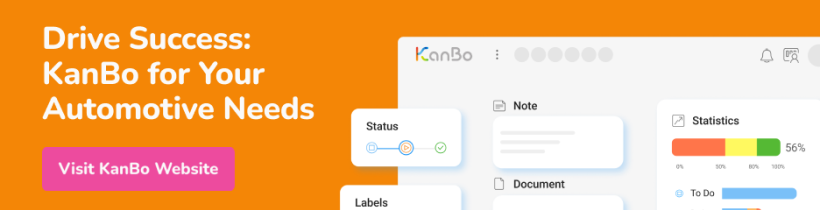
KanBo is a comprehensive work coordination platform that goes beyond document management. While document management is an essential part of the platform, there are many other features and functionalities that make KanBo stand out. Here are a few examples:
– KanBo Workspaces: KanBo Workspaces allow you to organize your work and collaborate with your team in a centralized location. You can create different Workspaces for different teams, projects, or departments, and each can be customized with its own set of rules, permissions, and integrations.
– KanBo Boards: KanBo Boards are visual representations of your work, providing an intuitive and flexible way to organize and prioritize your tasks. Boards can be customized with different views, templates, cards, and fields, giving you full control over how you want to visualize and manage your work.
– KanBo Cards: KanBo Cards are the building blocks of your work, providing a space to store all the relevant information and context around a task or project. Cards can contain checklists, notes, comments, attachments, statuses, and more, making it easy to keep everything in one place.
– Resource Management: KanBo also includes resource management features, allowing you to assign tasks to specific team members and track their availability and workload. You can also see who is working on what, and make sure your team is fully utilized and productive.
– Notifications and Alerts: KanBo provides real-time notifications and alerts, keeping you and your team up to date on any changes or updates to your work. You can also set up custom alerts for specific actions or events, ensuring that you never miss an important deadline or milestone.
Overall, KanBo provides a powerful and flexible platform for work coordination, enabling teams to collaborate effectively and achieve their goals. Whether you need to manage documents, organize tasks, or collaborate with your team, KanBo has you covered.
Q&A
Q1: What are some key features of KanBo that make it especially useful for the automotive industry?
A1: KanBo’s advanced document management capabilities and powerful workflow automation tools are essential for managing the high volume of documentation and tasks required in automotive development projects. Its intuitive task management tools, shared calendars, and interactive dashboards also help cross-functional teams work together more effectively.
Q2: How does KanBo’s document management feature help with collaboration between geographically dispersed team members?
A2: KanBo’s document management feature allows teams to store, organize, and share a range of file formats, making it easier for all team members to access the same information regardless of their geographic location. This improves collaboration and ensures that everyone is working from the same set of documents, making it easier to maintain version control.
Q3: What are some ways in which KanBo’s workflow automation tools can help automotive development teams work more efficiently?
A3: KanBo’s workflow automation tools can reduce manual effort, enabling teams to spend more time driving innovation and less time on high-volume, repetitive tasks. The platform’s customizable templates and task management tools can also help speed up the project creation process, while its Gantt chart and resource management tools can help identify potential delays and ensure that all tasks are completed on schedule.
Let’s take an example of a transmission layout project where the team is responsible for the refinement of the concept until it is ready for series production. With KanBo, the team can create a Workspace for the project, and then create Boards for each stage of the process – Requirements Definition, Development, Prototype Production, and Industrialization.
Within each board, the team can create Cards for each subtask, and attach relevant documents such as the calculation tools used for dimensioning of drive components, or the design drawings for the spur gears, bevel gears, and planetary gears. Using the document management feature in KanBo, the team can maintain version control and ensure that everyone has access to the same up-to-date information.
Additionally, the team can use the KanBo Board documents section to store all relevant project documentation, such as project charters, project plans, and progress reports. For example, the team can use Microsoft Office skills to create a project plan in Excel, and then attach it to a card in the Development board. The team can collaborate in real-time on the project plan, updating progress and making adjustments as needed.
With KanBo’s powerful workflow automation tools, the transmission layout project team can streamline their work processes, reduce manual effort, and improve efficiency. For example, they can set up automatic alerts when a project milestone is coming up or when a task is overdue, ensuring that the team never misses a deadline.
In summary, KanBo’s document management, workflow automation, and collaboration features are all designed to help teams in the automotive industry like the transmission layout project team, work smarter, not harder. With KanBo, teams can focus on innovation and driving their industry forward, rather than spending time on repetitive manual tasks.