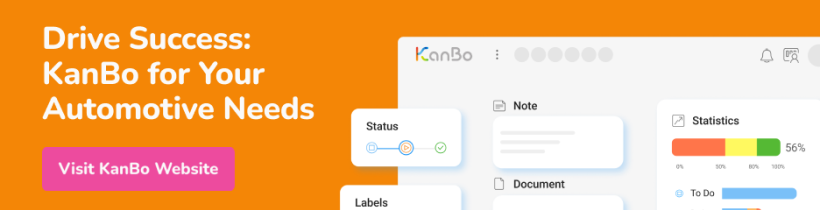
Work coordination platform
Designed for the automotive industry
As a leader in innovation, you understand the importance of staying ahead of the curve in the fast-moving automotive 4.0 world. KanBo provides you with the tools to do just that by facilitating smart factory operations, streamlining project management, fostering collaboration and solving complex problems.

Streamlining Document Management: A Key to Success in Strategic IP & Innovation Management – Insights from Deputy General Manager
Introduction:
KanBo is a leading work coordination platform designed for large enterprises, providing businesses with a comprehensive suite of tools to streamline project management, foster collaboration, and solve complex problems. With its cutting-edge on-premises and cloud installations and licenses, the platform caters to the needs and preferences of every type of business. In this article, we explore the key features of KanBo and how they can benefit businesses across industries.
Features and Benefits:
KanBo offers a range of features designed to help large enterprises address their most pressing needs. These include:
1. Project Management: KanBo’s project management tools allow organizations to effectively manage tasks, projects, and workflows. With its intuitive interface and collaborative capabilities, organizations can streamline project execution and ensure timely delivery.
2. Collaboration: KanBo’s collaboration tools enable teams to work together seamlessly across departments and locations. The platform allows users to create and share content, ideas, and feedback, making collaboration fast and easy.
3. Problem Solving: KanBo’s advanced problem-solving capabilities help organizations tackle complex issues and drive innovation. Teams can use KanBo to gather ideas, brainstorm solutions, and track progress in real-time, leading to higher quality outcomes.
4. Document Management: KanBo’s document management tools allow organizations to efficiently manage and share documents across teams. With its powerful indexing and search capabilities, users can quickly find the information they need and avoid duplication.
Focus on Document Management in Automotive:
In the automotive industry, document management is a critical component of any organization’s success. KanBo’s document management features are specifically designed to meet the needs of automotive companies, ensuring they can streamline their document management processes and improve efficiency.
For example, KanBo’s indexing capabilities allow automotive organizations to easily search through large volumes of documents and find the information they need. This can help organizations avoid costly delays and improve decision-making.
Additionally, KanBo’s features enable automotive companies to easily manage complex workflows involving multiple stakeholders. This allows teams to work together seamlessly and stay on top of critical tasks throughout the project lifecycle.
Conclusion:
In conclusion, KanBo is a powerful work coordination platform that provides large enterprises with the tools they need to streamline project management, foster collaboration, and solve complex problems. With its sophisticated document management capabilities, KanBo is well-suited for the needs of automotive companies, enabling them to improve efficiency and drive innovation. If you’re looking for a versatile platform to meet the needs of your organization, KanBo is an excellent choice.
As a Deputy General Manager in Automotive industry, your job may require you to manage and coordinate different projects and teams. To be successful, you need a tool that can help you streamline your work and collaborate effectively with your team members. KanBo Work coordination platform offers a wide range of features that can help you manage your work seamlessly. In this how-to guide, we will take you through one week of life as a Deputy General Manager in the Automotive industry using KanBo and Document Management.
Monday: Start the day by creating a new workspace in KanBo. Use the document management feature to create folders and groups within the workspace, and assign access and permissions to different team members. Add documents and files related to current projects, and use the search feature to easily find and retrieve them.
Tuesday: Spend the day reviewing and updating project schedules using KanBo’s scheduling feature. Use the Gantt chart view to visualize project timelines and identify any potential bottlenecks or delays. Use the collaboration feature to communicate with team members and make necessary adjustments to the schedule.
Wednesday: Manage your team’s tasks for the week by creating cards in the Kanban view. Assign tasks to team members, add due dates and deadlines, and use the document management feature to attach relevant documents and files to each card.
Thursday: Conduct a review meeting with team members to discuss progress and identify any issues that need to be addressed. Use KanBo’s dashboard and report features to generate reports and analyze data related to project status, team productivity, and resource management.
Friday: End the week by conducting a retrospective meeting to discuss the week’s successes and challenges. Use KanBo’s mind map feature to brainstorm ideas and identify potential areas for improvement in the coming week.
By using KanBo’s features for document management, scheduling, task management, collaboration, and reporting, you can effectively manage your projects and teams in the fast-paced and dynamic world of the Automotive industry.
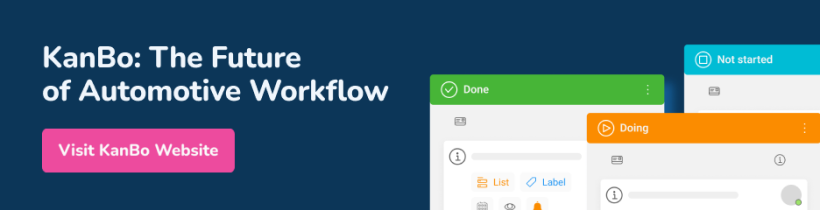
Did you know that KanBo is much more than just a tool for document management? While KanBo does offer a robust set of features for document and content management, it is also an incredibly powerful platform for work coordination and collaboration.
With KanBo, teams can easily manage their workflows, streamline communication, and foster collaboration in a single unified platform. From assigning tasks and tracking progress to sharing ideas and collaborating in real-time, KanBo is designed to help teams work smarter, not harder.
KanBo’s unique combination of features makes it an ideal platform for agile project management, remote team collaboration, and even knowledge management. With customizable templates, KanBo allows teams to quickly set up and manage recurring processes, while also offering advanced analytics tools to help them improve their productivity and decision-making.
So while KanBo may have started as a tool for document management, it has evolved into a complete work coordination platform that can help teams across industries and departments streamline their workflows, collaborate more effectively, and achieve their goals faster and more efficiently than ever before.
Q&A
Q1. What industries can benefit from using KanBo?
A1. KanBo is a work coordination platform designed for large enterprises, and it can benefit businesses across industries. It provides a comprehensive suite of tools to streamline project management, foster collaboration, and solve complex problems.
Q2. What are the key features of KanBo?
A2. The key features of KanBo include project management, collaboration, problem-solving, and document management. Its project management tools allow organizations to effectively manage tasks, projects, and workflows, while its collaboration tools enable teams to work together seamlessly across departments and locations. Additionally, its advanced problem-solving capabilities help organizations tackle complex issues and drive innovation, and its document management tools allow organizations to efficiently manage and share documents across teams.
Q3. How can KanBo’s document management features benefit automotive companies?
A3. Document management is a critical component of success in the automotive industry, and KanBo’s document management features are specifically designed to meet the needs of automotive companies. Its indexing capabilities allow automotive organizations to easily search through large volumes of documents and find the information they need, which can help organizations avoid costly delays and improve decision-making. Additionally, KanBo’s features enable automotive companies to easily manage complex workflows involving multiple stakeholders, allowing teams to work together seamlessly and stay on top of critical tasks throughout the project lifecycle.
Here are a few use cases to demonstrate how KanBo can help automotive companies manage their tasks and projects:
1. New Product Development: Use KanBo to create a new product development board where teams can collaborate on the development of a new vehicle prototype. With KanBo’s document management capabilities, teams can easily share and collaborate on design files and drawings, while KanBo’s project management tools can help ensure timely completion of each phase of the development process.
2. Quality Control: Set up a KanBo board to manage quality control processes. Use KanBo’s workflow automation to streamline the process of identifying product defects, assigning tasks to team members, and tracking the progress of each task. With KanBo’s reporting and analytics capabilities, you can gain insights into the root causes of quality issues and take corrective actions to improve product quality.
3. Supply Chain Management: Use KanBo to manage your supply chain processes. Create a board where you can track the status of suppliers, orders, and shipments. Utilize KanBo’s collaboration features to communicate with suppliers and establish a real-time exchange of information. With KanBo’s document management capabilities, you can easily store and share supplier contracts, invoices, and other important documents.
Users can easily integrate their Microsoft Office skills with KanBo by creating and editing documents directly from within KanBo’s card documents. This allows for seamless collaboration on documents and reduces the hassle of switching between different platforms. Additionally, KanBo’s intuitive interface makes it easy for users to navigate and use the platform even if they are not familiar with all of its features. Overall, KanBo makes it simple and easy for automotive companies to manage their tasks and projects in a streamlined and efficient manner.