Work coordination platform
Designed for the automotive industry
As a leader in innovation, you understand the importance of staying ahead of the curve in the fast-moving automotive 4.0 world. KanBo provides you with the tools to do just that by facilitating smart factory operations, streamlining project management, fostering collaboration and solving complex problems.
Streamlining Workflows and Enhancing Safety: A Guide to KanBo’s Document Management for Occupational Safety Managers
As companies grow, managing workflows and coordinating work between teams becomes increasingly complex. To achieve success, enterprises need a way to organize and streamline their work processes across departments and stakeholders. This is where KanBo comes in.
KanBo is a work coordination platform designed specifically for large enterprises. Its key features include advanced document management capabilities, flexible deployment options, and a user-friendly interface that makes it easy for teams to collaborate.
For managers responsible for occupational safety in the automotive industry, KanBo’s document management capabilities are particularly impressive. By providing a single location for all relevant safety documentation, KanBo makes it easier for managers to ensure that their team members are working safely, and that all safety protocols are being followed.
KanBo is also designed to work seamlessly with other enterprise systems, including CRM tools, project management software, and HR platforms. This makes it easy for teams across the organization to work together and share information, without needing to switch between different platforms or systems.
KanBo’s cloud-based and on-premises deployment options make it a flexible and scalable solution for enterprises of all sizes and industries. Whether you’re looking to streamline workflows, improve collaboration, or manage occupational safety, KanBo has the features and functionality you need to succeed.
Overall, KanBo’s strengths lie in its flexibility and breadth of features. For managers responsible for occupational safety in large enterprises, KanBo’s document management capabilities and ease of use make it a valuable tool for improving workplace safety and ensuring compliance with regulations.
As a Manager of Occupational Safety in the fast-paced Automotive Industry, your job requires quick and effective decision-making to ensure the safety of workers and adherence to regulations. With KanBo’s Document Management and Document Sources, you can easily access documents from multiple libraries and assign them to cards for seamless project management. Here is a one-week guide for a typical workweek using KanBo and Document Management.
Monday:
Starting the week off strong, you log into KanBo and check notifications for any updates on ongoing safety projects. You create a new board for the week’s tasks and assign different team members to relevant cards. Using KanBo’s Document Sources, you attach safety regulations and guidelines to the relevant cards, ensuring everyone is on the same page.
Tuesday:
The day starts with a team meeting discussing ongoing safety projects. You use KanBo’s Visualization tools, such as Kanban and Calendar views, to present the progress of each project to the team. You assign new tasks and attach relevant documents to cards, making sure everyone knows what to do next.
Wednesday:
There is an unexpected inspection by regulatory authorities scheduled for tomorrow. You quickly gather the required documentation using Document Sources, and assign the necessary tasks to the relevant team members. KanBo’s Document Versioning ensures that all documents are up to date and ready for inspection.
Thursday:
The regulatory inspection goes smoothly, and you receive positive feedback on your safety measures and documented follow-through. Using KanBo’s Resource Management features, you allocate resources for upcoming safety procedures and assign tasks to the team members who have the necessary knowledge and experience.
Friday:
The end of the week is here, and you review progress on ongoing projects using KanBo’s Dashboards and Reports. The Document Sources feature allows you to quickly access the required documents for each task and update your team. You check all completed tasks and requirements to ensure compliance with safety regulations and file documents using Document Management features.
In conclusion, KanBo and Document Management are powerful tools for streamlining collaboration and ensuring adherence to safety regulations in the fast-moving Automotive Industry. By following this one-week guide, you can streamline your project management and improve your team’s efficiency and collaboration.
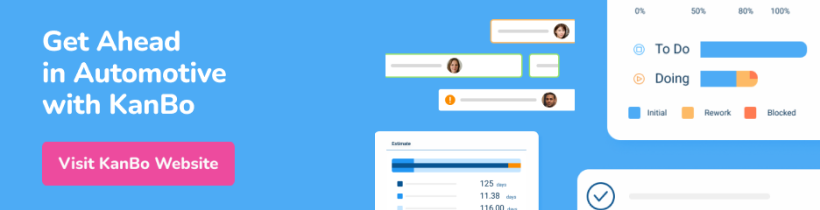
KanBo is much more than just a tool for document management. While document management is an important part of the platform, KanBo is designed to be a complete work coordination platform that includes features for project management, task management, team collaboration, and more. With KanBo, you can easily manage projects, create workflows, assign tasks, and track progress in real-time.
One of the most powerful features of KanBo is its ability to bring all teams and departments together, while allowing for customization to fit the specific needs of each business. With KanBo workspaces and spaces, you can organize information and tasks in a way that makes sense for your team. You can also leverage the platform’s multiple document sources in spaces, allowing you to easily reference and integrate information from various sources – including SharePoint, Microsoft Office 365, Google Suite, AWS or Salesforce.
KanBo’s unique approach to work coordination is focused on empowering purpose-driven organizations to optimize work management with full transparency and trust. The platform’s emphasis on transparency and trust promotes a culture of accountability and collaboration, helping teams work more efficiently towards a shared goal.
In addition to its powerful project and task management features, KanBo also offers a variety of visualization tools, such as Kanban view, list view, table (spreadsheet) view, calendar view, Gantt chart, timeline view, activity view, document view, and mind map view. These tools help teams visualize work and track progress in a way that works for them.
Overall, while document management is an important part of KanBo, it is just one of the many features that make up this powerful work coordination platform. If you’re looking for a comprehensive platform that can help your team work more efficiently and collaboratively, while promoting a culture of transparency and trust, KanBo may be the perfect solution for your organization.
Q&A
Q: What industries can benefit from using KanBo?
A: KanBo is designed for large enterprises of all industries looking to streamline workflows and improve collaboration. Its cloud-based and on-premises deployment options make it a flexible and scalable solution.
Q: How does KanBo help with occupational safety management in the automotive industry?
A: KanBo’s document management capabilities allow managers to maintain all relevant safety documentation in a single location. This feature facilitates managers in ensuring that team members are working safely and all safety protocols are being followed.
Q: How does KanBo facilitate coordination between different departments and stakeholders?
A: KanBo is designed to work seamlessly with other enterprise systems such as CRM tools, project management software, and HR platforms, making it easier for teams across the organization to work together and share information. With KanBo, teams can collaborate without switching between different platforms or systems.
Use Case: Managing Occupational Safety in the Automotive Industry with KanBo
Let’s take a look at how KanBo can help an automotive company manage occupational safety effectively. Suppose that the company has recently implemented KanBo to optimize their work management with full transparency and trust. The company has appointed a manager who is responsible for ensuring that all measures to support the company in occupational safety, hazardous materials management, and accident prevention are implemented in accordance with legal requirements. They must ensure that tasks are performed in accordance with the German Occupational Safety Act, including holding occupational safety committee meetings at the company.
With KanBo, the manager can create a dedicated workspace for occupational safety management, where all relevant documents and tasks are stored. They can set up boards and spaces that align with the company’s organizational structure, enabling each department to access and manage their work processes independently while keeping all stakeholders informed about progress on broader initiatives.
The manager can also exert control over the company’s occupational safety management system by supervising tasks such as reviewing and controlling organizational structures worldwide, performing cause analysis of occupational accidents, and ensuring that managers and employees receive advice and training on improving occupational health and safety.
KanBo’s document management capabilities make it easier for the manager to oversee all safety documentation in one central location, enabling them to ensure that safety protocols are being followed while reducing the risk of accidents. The documents can be linked directly with other tools like Microsoft Office, allowing users to access and manage documents easily across different platforms.
The manager can also leverage KanBo’s visualization tools like Kanban view, list view, table (spreadsheet) view, calendar view, Gantt chart, timeline view, activity view, document view, and mind map view, to track progress and understand trends in safety measures, enabling them to make data-driven decisions effectively.
The platform’s emphasis on transparency and trust promotes a culture of accountability and collaboration. KanBo takes care of automating and streamlining some of the most laborious tasks involved in managing occupational safety, freeing up the manager to focus on more complex work. With KanBo, the manager can help the company to reduce the risk of accidents, ensure compliance with regulations, and create a safer working environment for all employees. This allows the company to increase productivity, lower costs in terms of downtime and compensation, and boost employee morale.